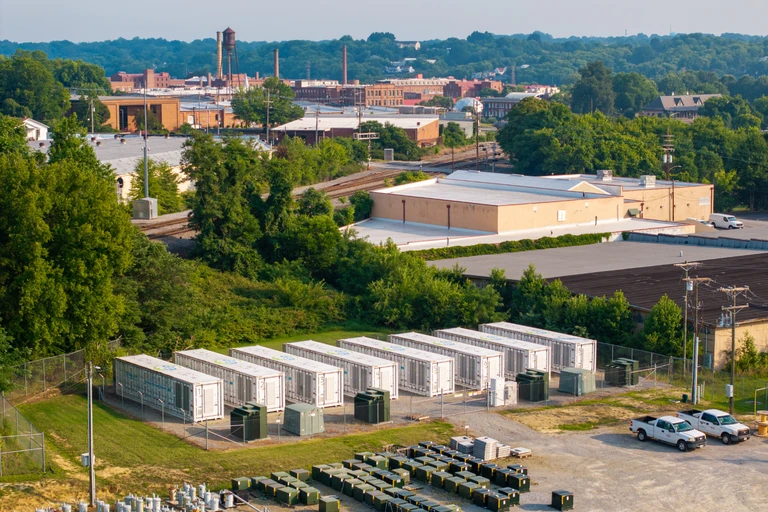

In January 2026, Winter Storm Fern spread across the U.S. from Texas to Maine. The storm brought a four-day deep freeze and put battery energy storage performance during extreme weather to the test.
Cold waves like Fern represent weather events with the largest potential impact on system operations. In winter, solar output drops and wind generation can rise, but a wind lull often follows cold fronts, reducing generation just when demand remains high.
That lull in renewable energy output can be offset with battery storage. If your batteries don’t perform during a winter storm, site owners face lost revenue and operational stress. Battery failures also threaten grid reliability when communities depend on essential services that cannot go offline without putting lives at risk. Batteries must be online and available to deliver the right amount of power at the right time.
PJ Rehm, FlexGen Director of Lifecycle Operations, recaps battery storage availability managed by FlexGen during Winter Storm Fern.
Why battery performance during extreme weather delivers value
As extreme weather events become more frequent, cold-weather operational resilience will increasingly define asset value. Battery energy storage systems (BESS) are essential infrastructure when winter hits, covering gaps in generation during critical periods of peak demand and providing fast, grid-supporting capacity.
When your BESS stays online during a winter storm, your assets can stay productive, unlocking revenue opportunities during constrained market hours. During Winter Storm Fern, PJM wholesale electricity prices approached $2,000 per MWh, up from $200 the day before. At that price, a 100 MW system discharging for four hours could capture up to $800,000 in a single event window. Providing energy from storage assets during extreme weather events can drastically increase owners’ annual revenue and protect end users who rely on power for heating, breathing machines, medication storage, and safety systems.
When your BESS goes offline, the reverse happens. The grid becomes fragile, and you lose performance, revenue, trust, and operational readiness.
Battery Energy Storage passes the Winter Storm Fern test
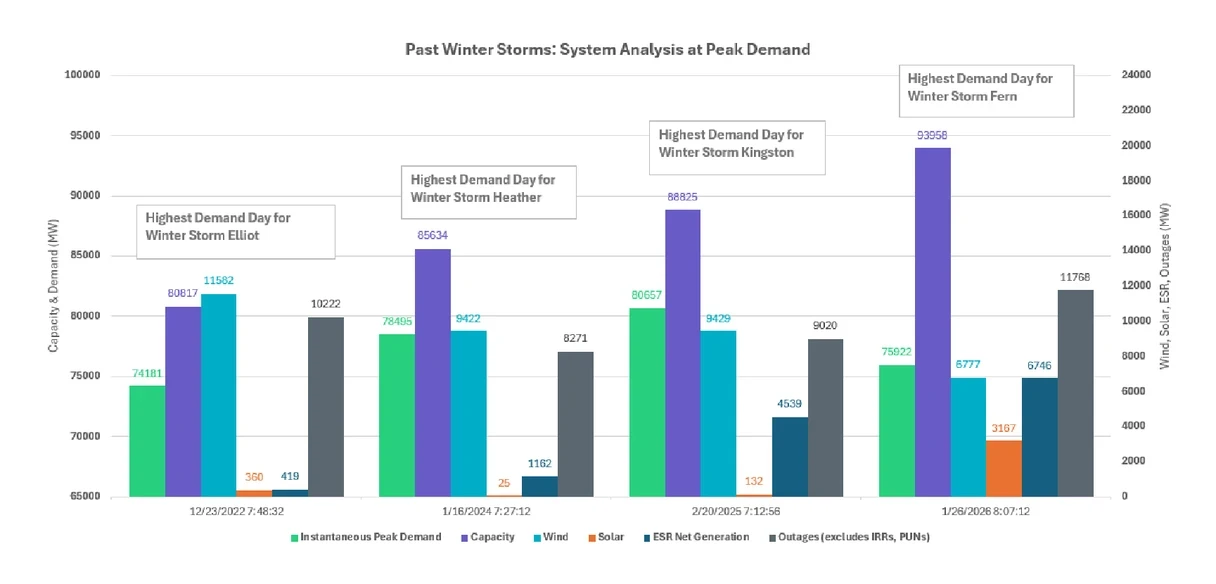
Energy Storage Resources (ESR) net generation increases during winter storm peak demand, discharging 6.7 GW during Winter Storm Fern. Source: ERCOT
Five years ago, in 2021, Winter Storm Uri revealed critical reliability gaps in the Texas power grid. Millions lost power, and generators failed under stress. Between January 24–27, 2026, Winter Storm Fern delivered extreme cold and high demand under similar grid conditions.
The difference?
After five years of reliability upgrades and weatherization mandates, few plants went offline during Winter Storm Fern. Texas added more than 14 GW of new battery storage capacity since Uri, which helped support grid reliability under similar conditions in 2026.
On January 26, during Fern, the Electric Reliability Council of Texas (ERCOT) saw a peak demand of 76 GW. During peak conditions, energy storage resources discharged 6.7 GW to meet about 9% of total demand, demonstrating how storage is now embedded in the system as reliability infrastructure.
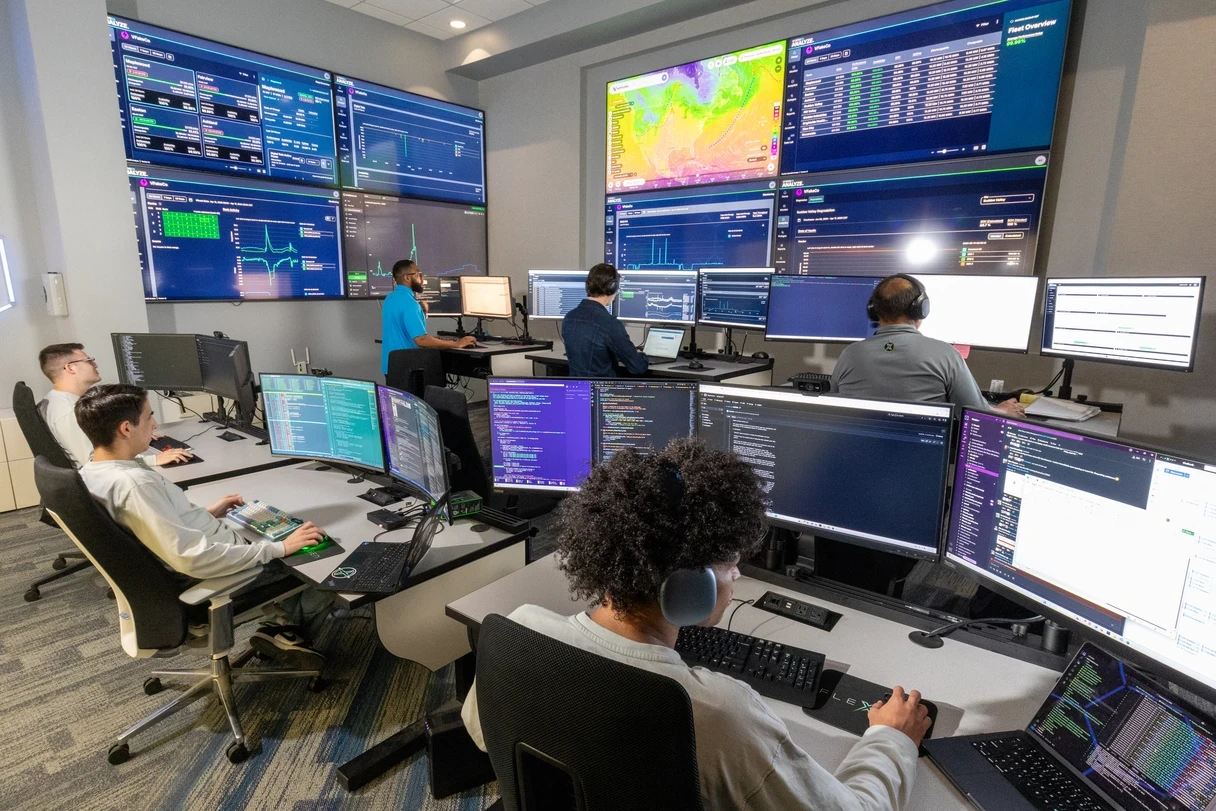
FlexGen’s state-of-the-art Remote Operating Center in Durham, NC monitors battery storage sites 24/7 to ensure operational reliability.
How FlexGen ensures battery availability in extreme weather
Proactive management drives strong battery performance during extreme winter weather, such as Winter Storm Fern. During the storm, FlexGen-monitored storage systems maintained reliable performance across the fleet. Our HybridOS software and round-the-clock support from our Remote Operations Center (ROC) ensured BESS availability throughout the event.
Proactive monitoring that keeps site owners ahead of outages
FlexGen’s ROC is a NERC-compliant lab located in Durham, NC. It provides 24/7 oversight of customers’ battery assets to ensure operational reliability and real-time issue resolution. During Winter Storm Fern, the ROC monitored 38 BESS sites, of which 36 operated at 100% availability throughout the event. Overall, the fleet averaged approximately 99.5% availability with only minor outages.
When alerts surfaced, ROC experts resolved most issues remotely in five minutes or less. FlexGen-managed BESS assets remained online and able to participate in market opportunities.
Proactive oversight minimizes outages, protects revenue opportunities, and reduces operational risk during critical events.
Field support ensures systems are operational
Remote monitoring catches most risks before they escalate, but some situations still require hands-on expertise. FlexGen field crews remain on standby during extreme events to respond if hardware intervention is necessary.
Energy Management Software intelligence as a secret weapon
Sophisticated energy management systems (EMS) are the true, unsung heroes of battery performance during extreme winter weather. Batteries are increasingly deployed to help grids through peak demand and emergencies. Software is what enables them to respond effectively, predictively, and reliably. A storage system’s EMS determines when and how batteries charge, when they discharge, and how they interact with market conditions and grid signals. This ability is key during winter storms when demand spikes unpredictably, and other generation may be less available.
FlexGen’s best-in-class HybridOS software delivers:
Predictive insights that anticipate demand spikes.
Optimized dispatch timing to save capacity for when it’s needed most.
Continuous health monitoring to spot issues before they lead to downtime.
Adaptive control that responds to real-world conditions.
Without intelligent software, battery systems can discharge too early, deplete before peak pricing, or fail to reserve energy for contingency events. In extreme cold, poor control strategies put hardware under stress and increase outage risk.
With HybridOS, storage is predictive, responsive, and reliable under even the most stressful situations.
Battery availability when it counts
Winter Storm Fern proved battery storage systems deliver reliability, power, and value when managed intelligently. Strong hardware matters, but high performance depends on a multi-pronged strategy built for real weather events. Intelligent software like HybridOS, 24/7 remote monitoring, and proactive field support work together to unlock economic value. BESS availability increases market participation and grid reliability even in the most extreme conditions.
If you want your battery storage assets to perform when it matters most, explore how FlexGen’s Lifecycle Solutions can help.